Home workouts with no kit
General notes on training at home with no equipment, using NHS strength guidance. Not a programme. Kit pages are linked at the end if you want them.
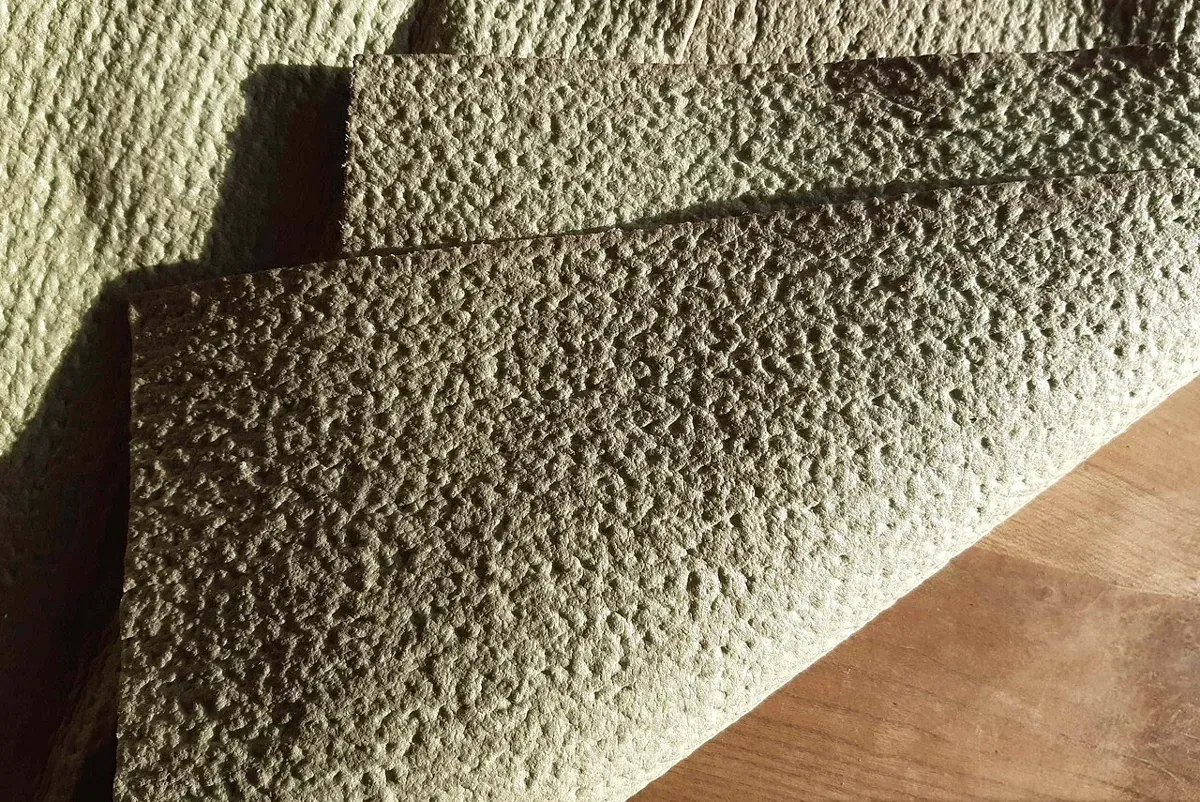
Example of a exercise mat.
Photo: Ian Alexander / Wikimedia Commons, CC BY-SA 4.0

In pictures
Examples, not the listing.
These are Commons photographs of the kind of kit. None of them is the exact item behind a buy button.
Example of a exercise mat.
Photo: Ian Alexander / Wikimedia Commons, CC BY-SA 4.0
Example of a exercise mat.
Photo: Femivaco / Wikimedia Commons, CC BY 4.0

Example of a exercise mat.
Photo: Sha89sha / Wikimedia Commons, CC0

Example of a exercise mat.
Photo: Sha89sha / Wikimedia Commons, CC0

Example of a resistance band.
Photo: Tiia Monto / Wikimedia Commons, CC BY-SA 4.0

You can do muscle-strengthening work at home with no kit. This page is for that fact. It is not a programme, not a challenge, and not a list of exercises with your name on it. There are no shop buttons here on purpose. If you later want equipment, the links at the end go to the guides. They are not required to make this page true.
What the NHS asks adults to do
The NHS activity guidelines for adults aged 19 to 64 include muscle-strengthening activity on at least two days a week, alongside aerobic activity. Time spent on strength does not replace the aerobic minutes. The guidelines give examples of strengthening activity that do not require a gym: activities that work the major muscles, including things you can do at home. Read the page. Do not let a blog turn “two days” into a named circuit.
The NHS page on strength and flexibility describes building strength with resistance, including body weight, and talks about a weight or resistance that lets you complete about 8 to 12 repetitions for about 2 to 3 sets, with the last repetitions hard and the technique still sound. Body weight is one way to supply that resistance. A press-up against a wall, a squat to a chair, and a hip hinge without a bell are categories of movement, not a session I have written for you. If the easy version is already hard, stay with the easy version. If you cannot keep a position that a coach would accept, the exercise is too much, even with no weight in your hands.
What this page will not do
It will not count your reps. It will not promise fat loss. Fat loss, if that is a separate aim, is discussed only on the sourced note, which quotes the NHS and the nutrition bodies and still is not your diet. It will not say that bodyweight work is superior to a barbell, or the opposite. It will not show a before-and-after. Guy Bridges is not a coach. He trains with a personal trainer. A programme is what that person, or another qualified coach, writes after they have seen you.
Stop and get advice if you have chest pain, feel faint, or have a pain that is not ordinary effort. If you have a medical condition or you are returning after a long gap, talk to a GP before you start. Pregnant readers should take advice from their midwife or GP rather than from a general page.
How to keep it in the week
Pick two days and protect them the way you would protect a gym booking. Write down what you did in a notebook. A watch is optional and often misleading during strength work. The tracker guide is that limit, if you already own one. You do not need to buy one for this page.
Progress, when a coach agrees you are ready, can be a harder version of the same movement, a slower lowering, or a pause. It does not have to be a purchase. When the bodyweight version is no longer hard across the sets the NHS describes, that is a conversation about adding load, not an instruction from this site to buy a particular kilogram.
When you do want kit
Floor first if you are about to kneel and lie down a lot. The flooring guide is for when the work gets heavy enough to need rubber. The budget order is floor, then one load, then a bench, then a rack. The New Year plan is the same order in January.
A kettlebell or an adjustable dumbbell is the usual first load. We will not name the weight. How to choose a kettlebell and dumbbells or kettlebells are the buying pages. A coach in the room changes the list: kit for a home PT session. Measure before a rack: space check and racks.
None of those purchases make the two weekly strength days happen. The days are the training. The kit is optional until a movement needs a tool you do not have.
What to write down without buying anything
Two days in the diary. The kind of movement: something that pushes, something that pulls or hinges, something for the legs, using the body weight versions you can do with a shape a coach would accept. The NHS strength page is where the 8 to 12 repetition idea and the 2 to 3 sets come from. Copy the source, not a circuit from an advert. Stop a set when the position goes. Soreness the next day is not a score. Pain in a joint is a reason to change the movement or to ask a GP, not a reason to buy a support from this page. There is nothing to buy here.
If you share a small flat, the floor is the equipment. A towel is enough to mark the spot. You do not need a mat to start, and you do not need a watch to count. When a movement is easy across those sets for more than one week, ask a coach whether the next step is a harder version or a load. The kettlebell weight page explains why this site will not answer that with a kilogram. The budget order explains what to buy first if the answer is a tool. Until then, the two days are the whole programme this page is willing to point at, and even those days are the NHS frequency, not a plan written for your name.
Common questions
Is this a workout plan?
No. It points at NHS guidance on strength for adults and says a qualified coach writes a programme. There are no sets prescribed for you.